Search This Blog

Tuesday, 10 October 2006

The Huber “Breaker”

Wilkes-Barre, Pennsylvania

We drive south on Interstate 81 with Jil and Tom to see the Huber Anthracite Breaker and the Luzcerne County fair. They lost their New York apartment on 9/11. By coincidence, we will be with them on the 5th anniversary. Tom says they have some of the old subway lines up and running though the big pit again after five years.


Tom removed 60 black bags of debris from the apartment. All the windows and the substantial window frames were blown out. I ask him what kind of debris. He says that there were three 12-foot metal pieces from the disintegrated skin of the Trade Center, lots of dust, reams of paper, pieces of drywall, computer parts and chunks of cubicles.

The authorities eventually had second thoughts about his trash removal. They were concerned that there might be body parts in the black bags. So Tom and Jil gave up and went on the road fulltime four years ago. Now they send me T-shirts from places like Sturgis, South Dakota and Seward, Alaska.

The Everhart Museum of Art and Natural History in Scranton, Pennsylvania, had three haunting paintings of old coal breakers. The scenes are dismal and dark, painted with snow on the ground and mounds of black coal and industrial trash around the huge wooden buildings.

I wanted to see an anthracite breaker. There were once hundreds of these industrial structures in the area. In 1917, over 100 million tons of anthracite were produced and 118,000 deep miners were employed. The older breakers employed scores of children as young as six to pick out pieces of rock. Only one breaker is left standing. It is the Huber breaker located 35 miles south in Ashley, Pennsylvania. It was built in 1939 and ceased operation in 1976. The “Ashley file” below discusses paranormal investigations at the Huber breaker.

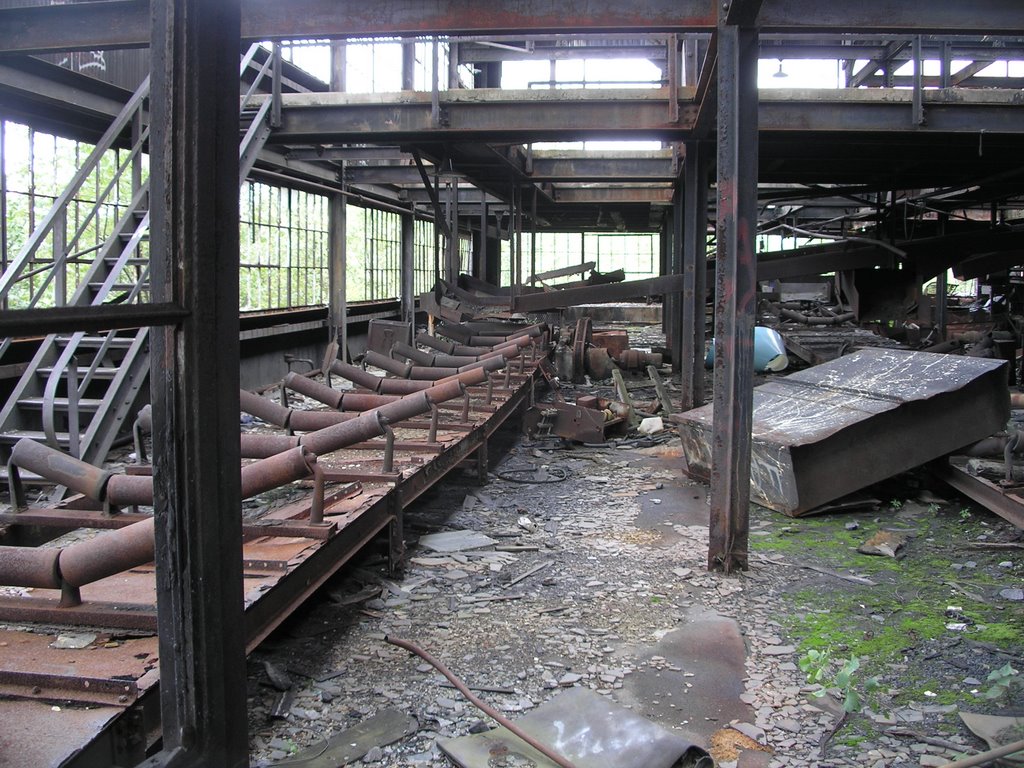
The breaker building is huge and unguarded. I climb five stories up into the twisted ruins on broken metal staircases and cross cracked concrete walkways as I ascend. The building is full of conveyors, chutes, chains, electric motors, gears, pulleys and levers. I hear smashing noises coming from one abandoned building and skip that one. I take my own paranormal readings and find this place ranks as medium spooky under the blue September sky.

The engineering that went into breaking up chunks of hard coal is impressive. Here are the shots of the Huber Breaker.

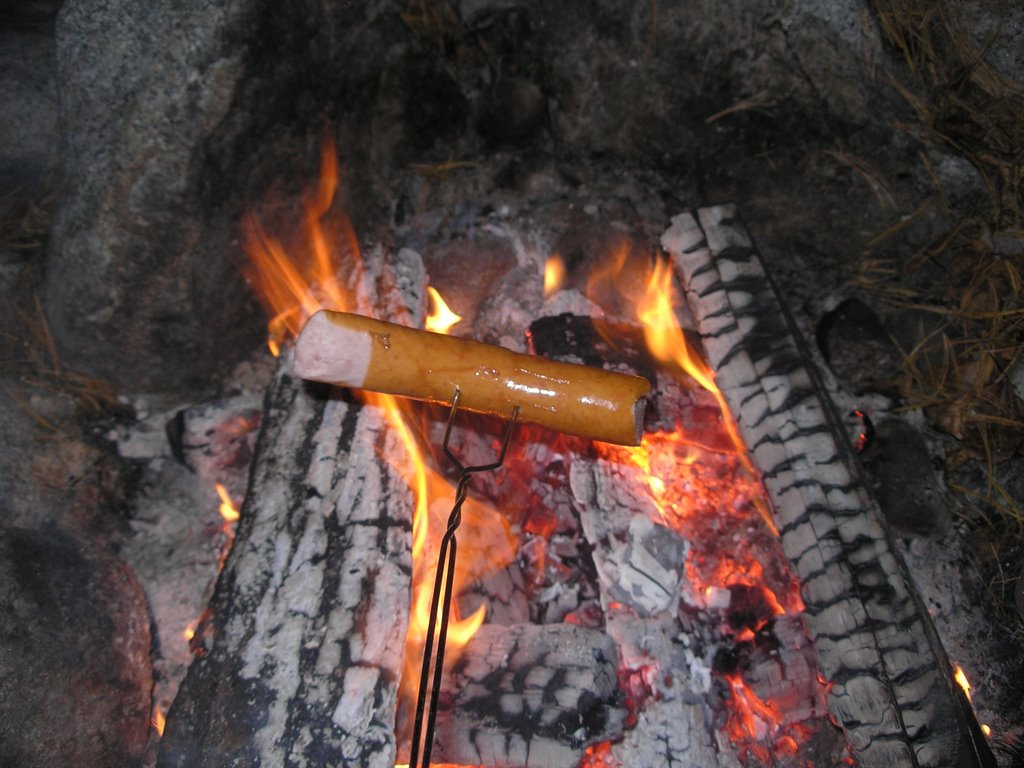
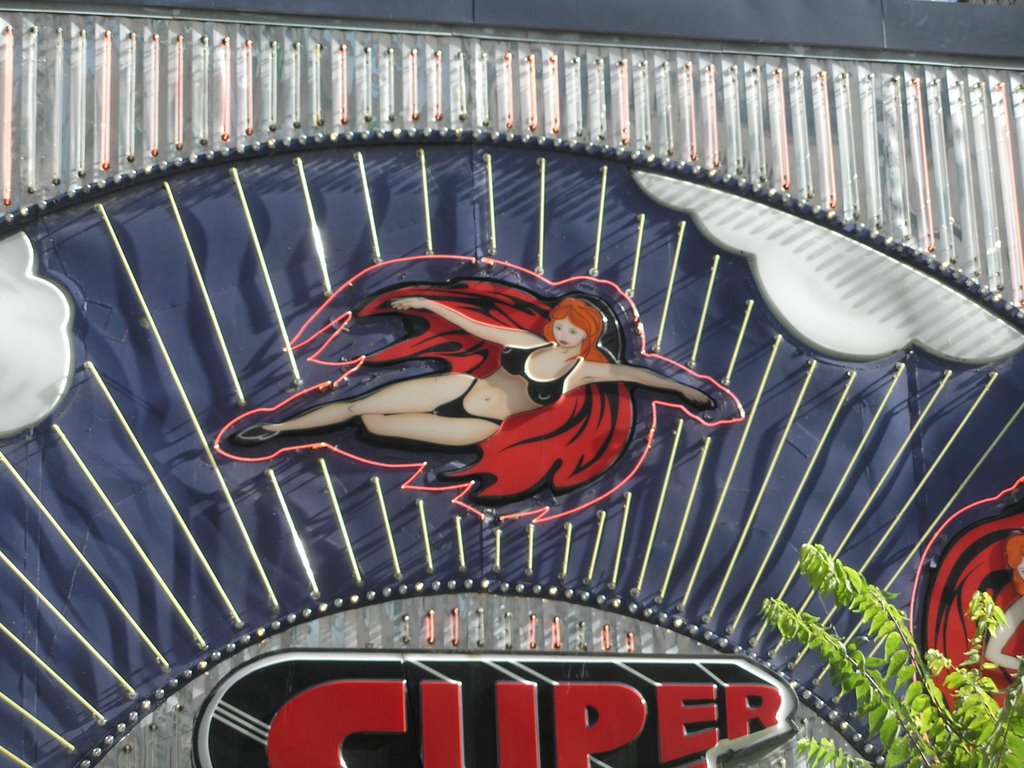
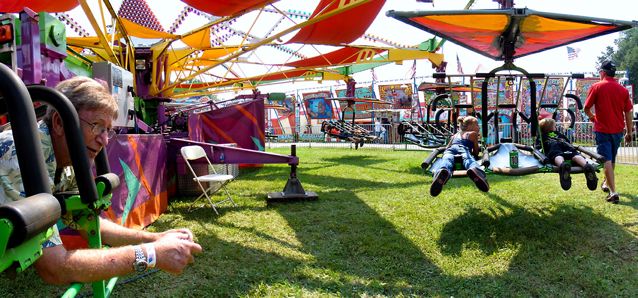
A few miles further south, the Luzerne County Fair is open though this weekend in Dallas, Pennsylvania. Here. I like these a lot. They never change. Always the same food, rides, games, cooking contests, bluegrass music, llamas, cows, pigs, petting zoos, antique tractors, car smashing, magic mirrors, the freak show. I eat Italian Sausage and ice cream, go though the mirror maze, ride the rides and see the exhibits. Here is the County Fair slideshow.


Accidents of Geography

Lake George, New York

We are parked under an oak tree on Lake George. Acorns have been landing on the RV metal roof all night like small cannon balls.

There are a series of lakes and rivers that nearly connect New York City and distant Montreal on the St Lawrence River. The Hudson flows north from New York City. Near Albany, navigator Henry Hudson found the Hudson to be too shallow to be navigable, but the river was accessible by smaller boats to near Lake George.

A small strip of land, Ticonderoga (land between the waters), separates Lake George from Lake Champlain. The wide Richelieu River flowing out of Lake Champlain allows access to Montreal with only a short portage near Montreal. It was inevitable that a clash of the French and British superpowers would occur at Ticonderoga.

In 1758, British General Abercromby led 16,000 British and Colonial troops in an attack on 3,200 French defenders of Fort Carillon at Ticonderoga. The badly outnumbered French prevailed and Abercromby lost 1,900 men, a third of which belonged to the “Black Watch” regiment.


The following year British General Jeffrey Amherst returned. The French had lost men in other battles and the smaller French garrison retreated after a four-day seige, blowing up the powder magazine and rendering Fort Carillon unusable. Amherst began construction of Fort Ticonderoga and a British war fleet on Lake Chaplain.


On May 10, 1775, Ethan Allen and Benedict Arnold with 83 “Green Mountain boys” rowed across Lake Champlain, surprised a sleeping sentry and captured Fort Ticonderoga. In fairness, the news about the initial skirmishes at Lexington and at Concord three weeks earlier had not reached the fort. That winter, the Ticonderoga cannons were dragged on sledges over the snow to Dorchester Heights in Boston leading to the British evacuation of Boston Harbor on April 14, 1776.


Saturday, 7 October 2006

Would you mind a reflecting sign

White Mountains, New Hampshire

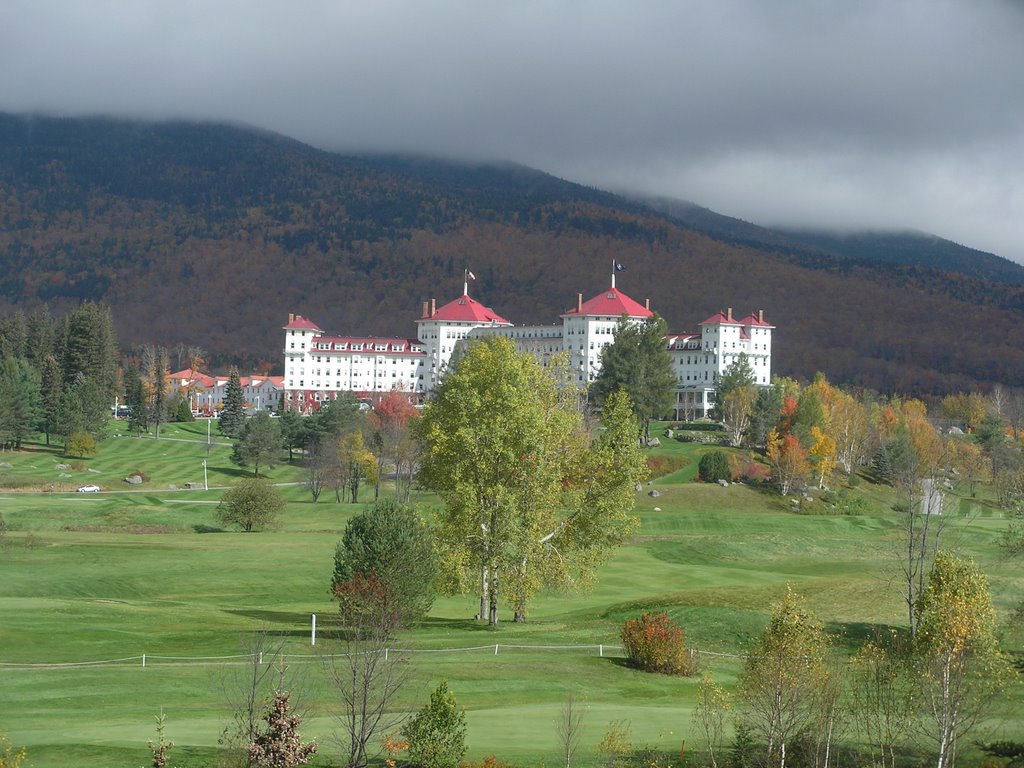
The autumn colors here in the New Hampshire White Mountains are coming on strong. The vivid reds, yellows, pinks and oranges are strongly psychedelic when the sunshine hits the leaves.

The pictures were looking washed out compared with what was really there. Google has a free image editing program called Picassa. A few clicks on “color temperature… fill light… shadows… highlights” made dramatic differences in the images. Mrs. Phred registers her shock and dismay that I’m touching up the digital pictures, but I explain I’m making them look more real, not better than real. She asks if I can touch her up a bit. I tell her she looks fine.

We plan to stay here a little longer then follow the colors south to the palm trees. There’s a municipal tennis court in the village nearby. The town theatre shows a movie every day at 7:30 PM. We hiked six miles though the White National forest today, mostly either uphill or downhill. There are big rocks in the paths here. At one time, I could have jogged the whole thing in an hour. There is a section of the Appalachian Train entering Vermont that we want to try today.

“Would you mind a reflecting sign
Just let it shine
within your mind
and show you, the colors
that are real”


Wednesday, 4 October 2006

Live Free or Die!

White Mountains, New Hampshire – October 4, 2006

We cross the State line into New Hampshire. The first sign over the border says, in HUGE letters, "Live Free or Die!". The second sign says "Vehicle occupants under 18 years must wear seatbelts". w€e both burst into laughter and wordlessly unfasten our seatbelts...we could learn to like this place.

The tree colors are brilliant and getting better. They usually peak in mid-October. I have a leaf guide and have identified an American Beech and a Sugar Maple. Rain and overcast are expected until Thursday. You need sunlight to capture the brilliant colors properly.

We are in the area called the White Mountains. There are some interesting things not to see here. We walk 1000 yards at one stop to see the “old man of the mountain”. That is a famous rock outcropping that looks remarkably like an old man’s face. Unfortunately the 48 foot tall feature fell off two years ago. You probably read about it. There are some very confused Japanese tourists wandering about looking for the face.

The sun peeks out enough to yield some colorful leaf shots. We have lived our entire lives in Florida so these autumn colors are very remarkable for us. We drive on some unpaved US Forest service back roads and find a lovely campground called Russell Pond high in the mountains.


I long for wildness….
Woods where the
woodthrush forever sings,
where the hours are
early morning ones,
and there is
dew on the grass,
and the day
is forever unproven…
-Thoreau


Sunday, 1 October 2006

Nothing to Declare

Montreal, Quebec

On the way out of Canada we see a pick-up truck loaded with dead bodies waiting to clear American customs. I wonder how the driver expects to get the macabre load though the new American red tape. Apparently dead bodies are not a problem. They bring out a dog to sniff around and then waive the driver through to the American side.


Earlier we had driven into Montreal in the Canadian Province of Quebec. Mrs. Phred and Judy want to see the old city first. I sit in the backseat with the laptop and GPS and navigate them precisely to where I deduce it must be: near the river in an area of twisted narrow streets.

The parking meter instructions are in French. I go and search for change and return to find a $37 (Canadian) French parking ticket on the Toyota. We wander the old city and have lunch in the open air in an outdoor café with a live jazz band. I eat a veal crepe with a glass of Sauvignon Blanc.

While we are eating, a highway overpass near the city collapses burying several cars and their occupants. Survivors are taken to local hospitals. The dead are still under the rubble. No official body count has been released.

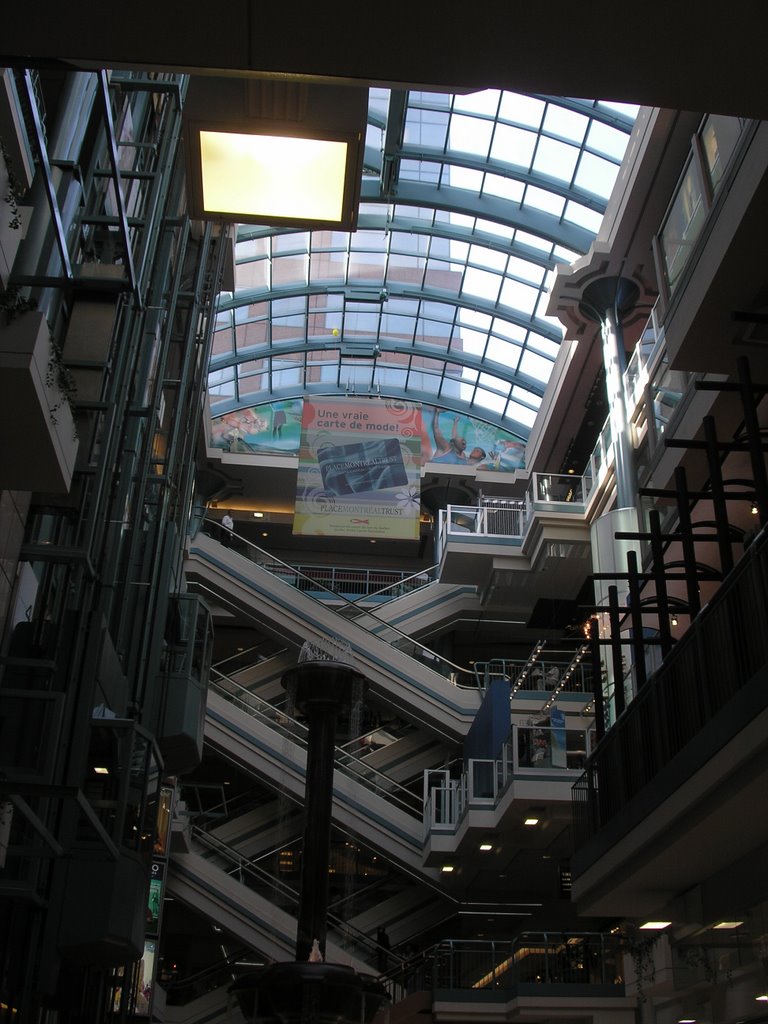
Judy and Carol also want to see the underground city. I navigate to the center of the huge city, find a parking space and pay for parking with a credit card. We go down into the underground shopping caverns that extend down several levels under the streets. I lead them around for an hour and pop up next to the car.

It rained all day today. We stay inside and watch two rented DVDs. One was the “The World’s Fastest Indian” with Anthony Hopkins. The other was a funny English low-budget zombie release called “Shaun of the Dead”. Tomorrow we move near the White Mountains in New Hampshire. Mount Washington is the tallest point in the northeastern US. We hope to reach the top.